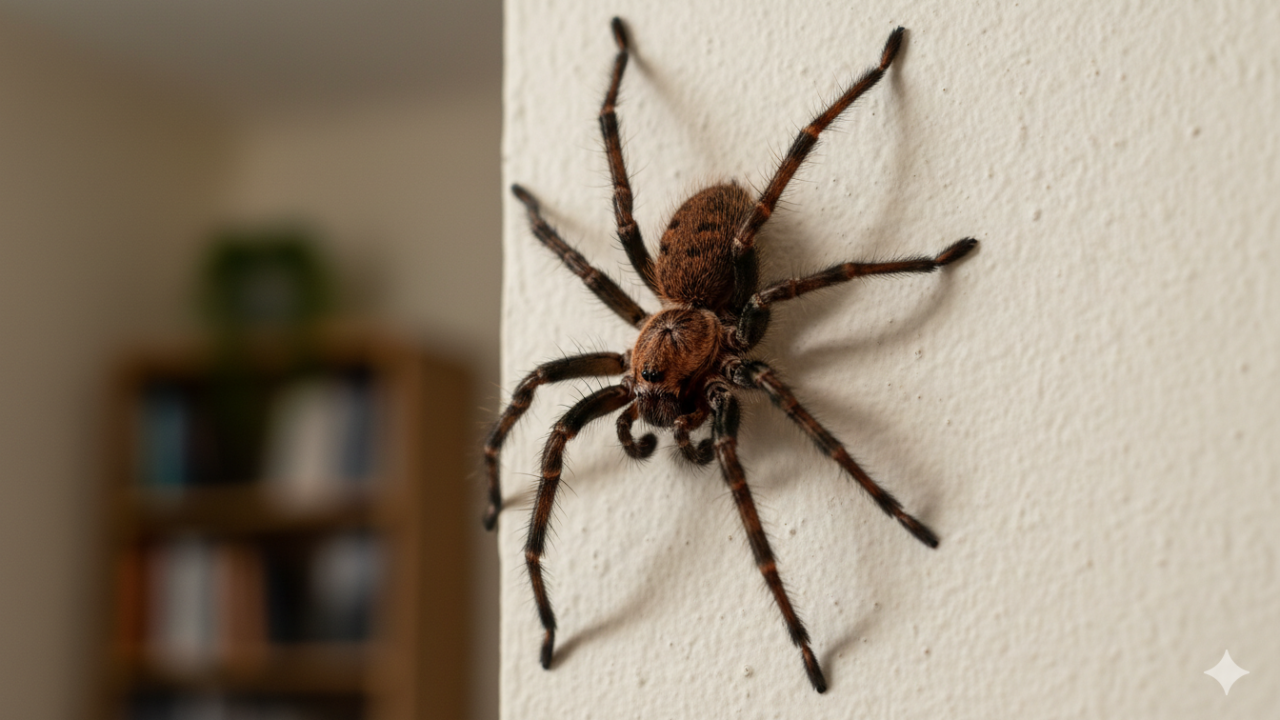
Have you ever seen a large, hairy spider scuttling across your wall? If so, you probably met a Huntsman Spider. While they might look a bit scary because of their size, these leggy creatures are actually some of the coolest neighbors you could have! In this guide, we will explore everything about them, from how big they grow to what happens if one gives you a tiny nip.
What Exactly is a Huntsman Spider?
A Huntsman Spider belongs to a group of spiders known for being very fast and agile. Unlike many other spiders, they do not build webs to catch their dinner. Instead, they use their incredible speed to chase down insects. They are often called “giant crab spiders” because of the way they look and move. Their legs spread out to the sides, which lets them walk sideways just like a crab on the beach!
Where Do These Spiders Live?
You can find a huntsman spider in many warm places around the globe. They love tropical and semi-tropical areas. While they are famous in places like Southeast Asia and Florida, the huntsman spider Australia version is perhaps the most well-known. In the wild, they love to hide under loose tree bark or inside rocky cracks. Their flat bodies are perfect for squeezing into tight spots where birds or lizards can’t find them.
The Incredible Huntsman Spider Size
When people talk about these spiders, the first thing they mention is the huntsman spider size. Most common types have a leg span of about 6 inches. That is roughly the size of a large dinner plate! Their bodies are usually a bit smaller, around 1 inch long. Because they have such long, fuzzy legs, they often look much bigger than they actually are. This size helps them take down bigger bugs like cockroaches and crickets.
Meeting the Giant Huntsman Spider
If you think a regular one is big, wait until you hear about the giant huntsman spider. This specific species lives in the caves of Laos. It holds the record for the largest leg span of any spider in the world! A giant huntsman spider can reach a leg span of up to 12 inches. Imagine a spider the size of a ruler! Despite being massive, they are very shy and prefer staying deep inside dark caves away from people.
Is a Huntsman Spider Bite Dangerous?
A very common question is whether a huntsman spider bite is something to worry about. The good news is that these spiders are generally very shy. They would much rather run away than fight a human. If they do bite, it is usually because they felt squished or cornered. For most people, the venom is not very strong. It might hurt for a little while, similar to a bee sting, but it is rarely a medical emergency.
Identifying a Giant Huntsman Spider Bite Mark
If you are unlucky enough to get nipped, you might notice a giant huntsman spider bite mark. Usually, this looks like two tiny red dots very close together. These dots are where the spider’s fangs entered the skin. The area might get red, itchy, or a little bit swollen. Most of the time, the giant huntsman spider bite mark will fade away in a day or two. Just keep the area clean with soap and water!
Why They Love Living in Australia
The huntsman spider Australia residents often see is a very common sight in homes. In the Land Down Under, these spiders are like “natural pest control.” They love to come inside when it rains or when it gets too hot outside. While seeing a big spider on the ceiling can be a shock, many Australians leave them alone. This is because the huntsman spider is great at eating pesky cockroaches and mosquitoes that try to live in your house.
How to Handle a Spider in Your House
If you find a huntsman spider in your room and want it gone, stay calm! Since they are so fast, trying to hit them usually doesn’t work well. The best “pro tip” is to use the “cup and paper” trick. Place a large container over the spider, slide a stiff piece of cardboard underneath, and carry it outside. Remember, the huntsman spider size makes them look faster than they are, but they just want to find a nice tree to climb.
Comparing the Huntsman to a Tarantula
Many people confuse the huntsman spider with a tarantula because both are large and hairy. However, they are quite different! Tarantulas are usually thicker and move more slowly. A huntsman spider is much flatter and moves with lightning speed. Also, look at the legs; if the legs are bent forward like a crab, you are definitely looking at a member of the huntsman family.
Fun Facts About Huntsman Spiders
- Social Butterflies: Some species of these spiders actually live in big groups, which is very rare for spiders!
- Egg Protectors: A mother huntsman spider is very protective. She carries her egg sac under her body to keep it safe from predators.
- Night Owls: They are most active at night. This is when they come out of their hiding spots to go hunting for a snack.
- Gymnasts: They can run up walls and even across ceilings without falling, thanks to special sticky hairs on their feet.
Biography of the Huntsman Spider
| Feature | Details |
| Common Name | Huntsman Spider / Giant Crab Spider |
| Scientific Family | Sparassidae |
| Average Size | 5 to 6-inch leg span |
| Max Size | 12-inch leg span (Giant Huntsman Spider) |
| Diet | Carnivore (Insects, small lizards, frogs) |
| Lifespan | 2 to 3 years |
| Habitat | Tree bark, rock crevices, houses, and cars |
| Key Regions | Australia, Southeast Asia, Africa, USA (Florida/Hawaii) |
| Temperament | Non-aggressive, shy, and very fast |
Frequently Asked Questions
1. Can a huntsman spider kill a human?
No, there have been no recorded deaths from a huntsman spider bite. Their venom is designed to stop small bugs, not large humans.
2. Why do they hide in cars?
They love the tight spaces behind sun visors or under seats. If you find one while driving, stay calm and pull over safely to let it out.
3. Do they have good eyesight?
Yes! Because they are hunters and don’t use webs, they have eight eyes that help them see movement from a distance.
4. How fast can a huntsman spider run?
They can move at speeds of up to 3 feet per second. This makes the huntsman spider one of the fastest spiders on the planet!
5. What should I do for a bite?
If you see a giant huntsman spider bite mark, wash it with soap. Apply a cold pack to stop the swelling. See a doctor if you feel very sick or dizzy.
6. Are they good for the environment?
Absolutely! They are “helper” animals that keep the population of annoying insects like flies and roaches under control.
Conclusion
The huntsman spider might be big and hairy, but it is a fascinating and helpful creature. Whether it is the world-record giant huntsman spider or a friendly local spider in Australia, these animals play a big role in our world. By understanding their huntsman spider size and calm nature, we can learn to live alongside them without fear. Next time you see those long legs, remember: they are just looking for a snack and a quiet place to hide!