Imagine sitting on a plane for hours with no working bathroom. That is the reality faced by delta flight dl555 stranded passengers during a rough travel day. This story spread quickly across news outlets and social media. Travelers wanted answers, and passenger advocates demanded change. In this article, we break down exactly what happened in simple, clear language. You will learn why the flight got stuck, what conditions were like onboard, and how Delta responded afterward. We will also explain passenger rights during long tarmac delays. Understanding the delta flight dl555 stranded passengers situation helps every traveler feel more prepared for future disruptions. By the end of this article, you will know exactly what airlines are required to do during long delays. Let’s walk through the full story together, one clear step at a time.
Table of Contents
What Happened to Delta Flight DL555?
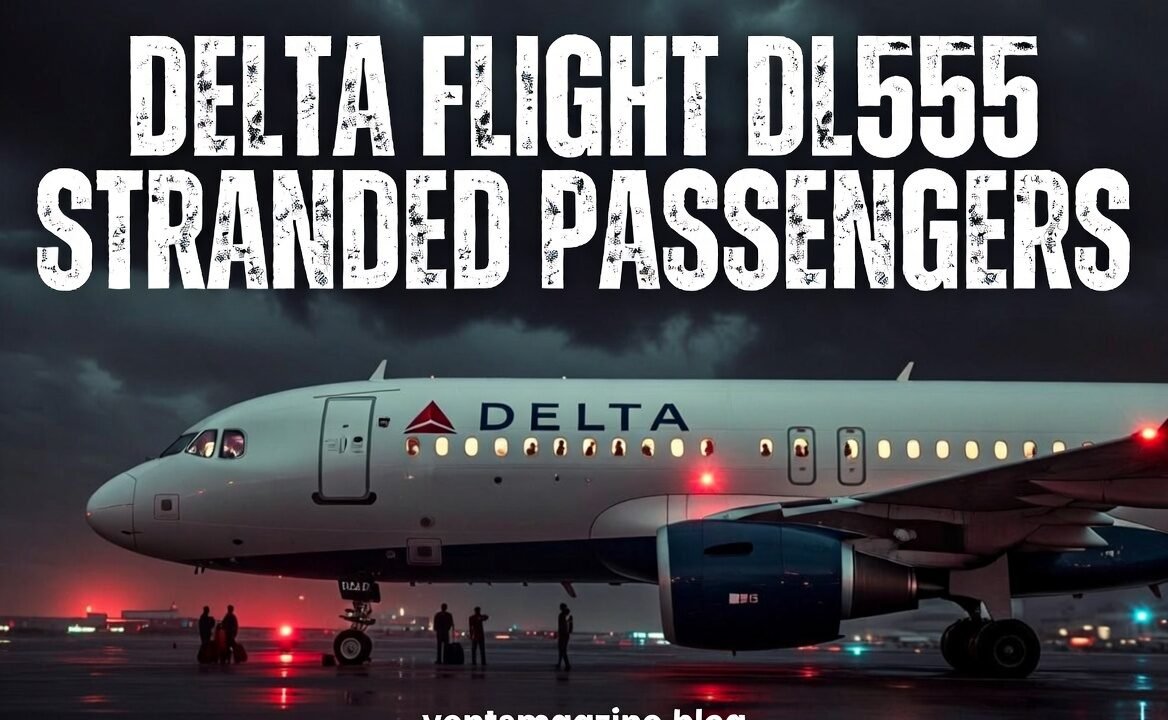
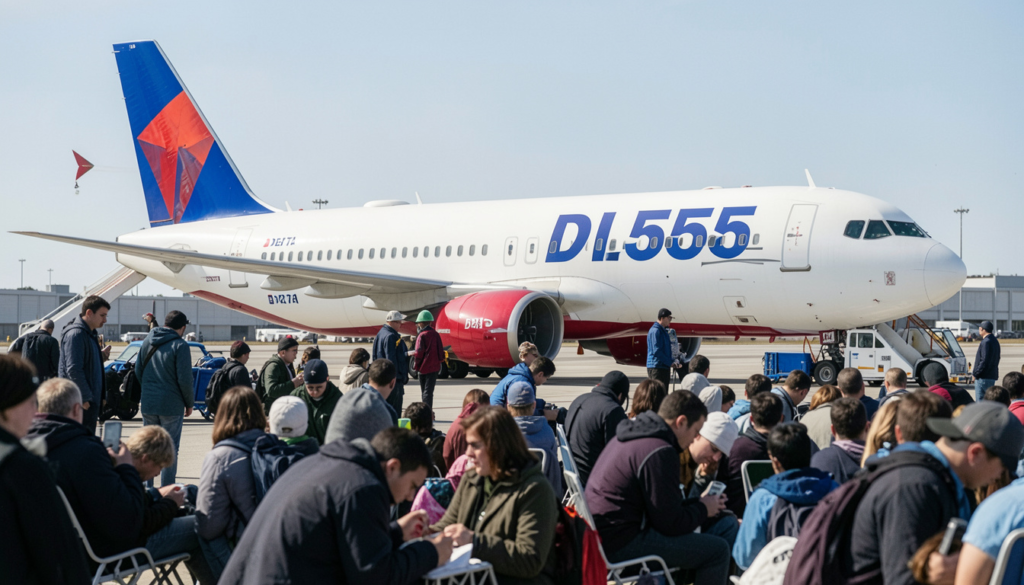
On August 2, 2025, Delta flight DL555 left Las Vegas heading to Atlanta. Severe thunderstorms closed the Atlanta airport before the plane could land. Because of this, the flight diverted to Augusta Regional Airport instead. This smaller airport had limited overnight staff and equipment. What was supposed to be a short stop turned into a long ordeal. This is exactly how the delta flight dl555 stranded passengers situation began. The aircraft sat on the tarmac from around ten at night until four thirty the next morning. During this time, the plane lost power, which disabled the air conditioning system. Toilets stopped working, and drinking water ran out. Passengers were left waiting for hours with very few updates or comforts available onboard.
Why Did the Plane Get Stuck at a Small Airport?
Understanding why the delta flight dl555 stranded passengers event happened requires looking at airport limitations. Augusta Regional Airport is much smaller than Hartsfield-Jackson Atlanta. It simply was not built to handle a sudden influx of diverted flights. Limited gates and ground staff made it hard to deplane passengers quickly. Larger airports usually have backup power, extra staff, and more equipment ready for emergencies. Smaller regional airports often lack these same resources. When thunderstorms forced multiple planes to divert at once, Augusta’s limited capacity became a serious problem. This shows why diversion airport choice matters so much during severe weather events. Airlines must think ahead about where planes can land safely, but also where passengers can be cared for properly if something unexpected happens afterward.
Conditions Onboard During the Tarmac Delay
Passenger accounts paint a difficult picture of what happened during this event. Without air conditioning, the cabin grew uncomfortably warm quickly. With toilets not working, hygiene became a serious concern for everyone onboard. Water supplies ran low, leaving passengers thirsty during the long wait. Flight crew handed out limited snacks, but little else was available to help. This situation became one of the more troubling examples of delta flight dl555 stranded passengers coverage in the news. One passenger described the scene as chaotic and exhausting. Reports mentioned there was only one staff member available to help travelers once they finally deplaned. Conditions like these highlight how quickly a simple weather diversion can turn into a much bigger problem without proper planning and support.
Federal Rules About Tarmac Delays
The United States has clear rules protecting passengers during long tarmac waits. According to Department of Transportation regulations, airlines must provide food, water, and working restrooms after two hours on the tarmac. Passengers must also be allowed to deplane after three hours in most situations. The delta flight dl555 stranded passengers event appears to have gone far beyond these limits. Sitting for more than six hours without basic necessities raises serious questions about compliance. These federal rules exist specifically to prevent situations like this one from happening. When airlines fail to follow them, they can face investigations and significant financial penalties. Understanding these protections helps passengers know their rights during future travel disruptions, especially when severe weather forces unexpected diversions to smaller airports.
How Delta Responded to the Incident
After news of the delta flight dl555 stranded passengers situation spread, Delta issued a public apology. The airline acknowledged the uncomfortable and difficult experience passengers faced during the delay. Full refunds were offered to affected travelers as part of the response. Some passengers also received SkyMiles credit for their trouble. However, many travelers felt this compensation fell short of the situation’s seriousness. One passenger mentioned paying over a thousand dollars for a flight that turned into hours of discomfort. Consumer advocates encouraged passengers to request full refunds instead of accepting travel credits alone. Delta’s response shows a common pattern in aviation: apologies and modest compensation following major service failures. Whether this response felt adequate remains a personal judgment for each affected traveler.
A Similar Incident: The 2023 Heat Emergency
Interestingly, this was not the first time delta flight dl555 stranded passengers made headlines. Back in July 2023, a different DL555 flight from Las Vegas to Atlanta faced its own crisis. That time, the aircraft sat on the tarmac for over three hours without working air conditioning. Temperatures inside the cabin rose dramatically during the Las Vegas heat. Several passengers fainted, and paramedics were called to help. At least one person needed hospital treatment afterward. This earlier event also triggered a Department of Transportation investigation. Seeing this flight number connected to two separate serious incidents raises valid questions. While flight numbers can be reused for different routes and aircraft, repeated problems understandably worry frequent travelers watching for patterns in airline service and safety.
Why Extended Tarmac Delays Are So Dangerous
Long tarmac delays create real risks beyond simple inconvenience. Without working air conditioning, cabin temperatures can become dangerous quickly. This is exactly what made both DL555 incidents so serious. Heat-related illness can affect anyone, but it hits children, older passengers, and those with health conditions hardest. Limited water access makes dehydration a real concern during extended delays. Non-working restrooms create hygiene issues that affect everyone onboard. The delta flight dl555 stranded passengers case demonstrates how quickly a routine delay can become a genuine safety concern. This is precisely why federal deplaning rules exist in the first place. Airlines must weigh passenger comfort and safety carefully during any extended ground delay, especially when basic systems like power and air conditioning stop working properly.
What Passengers Can Do During a Long Delay
If you ever face a situation similar to delta flight dl555 stranded passengers, knowing your rights helps. Passengers can request updates from flight crew regularly during long delays. If conditions become unsafe, speak up clearly and calmly to crew members. Remember that federal rules require deplaning options after three hours in most cases. Keep records of your experience, including photos and notes about timing. This documentation helps if you later request compensation or file a complaint. The Department of Transportation accepts passenger complaints directly through its website. Filing a complaint helps hold airlines accountable and may support broader safety improvements. Staying informed about these rights turns a helpless situation into one where you can advocate for yourself and fellow passengers effectively.
The Bigger Impact on Airline Policy
Events like delta flight dl555 stranded passengers often lead to broader industry discussions. Consumer advocacy groups used this incident to push for stricter enforcement of existing tarmac delay rules. Some lawmakers pointed to this case while discussing potential new passenger protection legislation. Airlines facing public criticism often review their own contingency planning afterward. This includes better coordination with smaller regional airports during severe weather events. Backup power systems and staffing plans may also receive more attention following high-profile incidents like this one. While one event rarely changes an entire industry overnight, repeated public pressure can lead to real improvements over time. The delta flight dl555 stranded passengers story serves as a reminder that passenger experiences directly shape future airline policy and government oversight.
Lessons Airlines Should Learn From This Event
Every major service failure offers valuable lessons for the aviation industry. The delta flight dl555 stranded passengers incident highlights the importance of backup power planning. Aircraft should have reliable ways to maintain air conditioning and working restrooms during ground delays. Airlines also need clearer plans for diverting to smaller airports during severe weather. Coordination between airlines and regional airports could prevent similar situations in the future. Communication with passengers matters greatly too. Regular updates, even without new information, help reduce frustration and fear during long delays. Ultimately, this event shows that severe weather diversions require more than just picking any nearby runway. Passenger care during the entire process matters just as much as simply landing the aircraft safely.
Delta Flight DL555 Quick Facts Overview
| Detail | Information |
| Flight Number | Delta DL555 |
| Route | Las Vegas (LAS) to Atlanta (ATL) |
| Diversion Airport | Augusta Regional Airport (AGS) |
| Cause of Diversion | Severe thunderstorms near Atlanta |
| Date of Incident | August 2, 2025 |
| Length of Tarmac Delay | Around six hours |
| Conditions Onboard | No air conditioning, toilets, or water |
| Delta’s Response | Public apology and full refunds offered |
| Federal Rule Involved | DOT three-hour tarmac deplaning rule |
| Related Prior Incident | July 2023 heat emergency on a different DL555 flight |
Frequently Asked Questions
1. What caused the delta flight dl555 stranded passengers situation?
Severe thunderstorms forced the flight to divert to a smaller airport, where a power failure disabled air conditioning and restrooms.
2. How long were passengers stuck on the plane?
Passengers were reportedly stranded for around six hours, from late evening until early the next morning.
3. Did Delta break any federal rules?
The delay appears to have exceeded DOT limits requiring deplaning after three hours and basic necessities after two hours.
4. What compensation did passengers receive?
Delta offered public apologies, full refunds, and SkyMiles credit, though some passengers felt this was not enough.
5. Was this the first time DL555 faced a major incident?
No, a different DL555 flight faced a serious heat-related emergency back in July 2023.
6. What should passengers do during a similar long delay?
Stay calm, request updates, know your deplaning rights, and document your experience for potential complaints or refunds.
Final Thoughts
The delta flight dl555 stranded passengers incident is a powerful reminder of why passenger protections matter so much. Severe weather, technical failures, and airport limitations can combine into a genuinely difficult experience. Knowing your rights helps you respond calmly and effectively if something similar ever happens to you. Airlines must keep improving contingency planning to prevent situations like this in the future. If this article helped you understand the delta flight dl555 stranded passengers case more clearly, share it with someone who travels often. Stay informed, stay prepared, and always know your rights before your next flight.