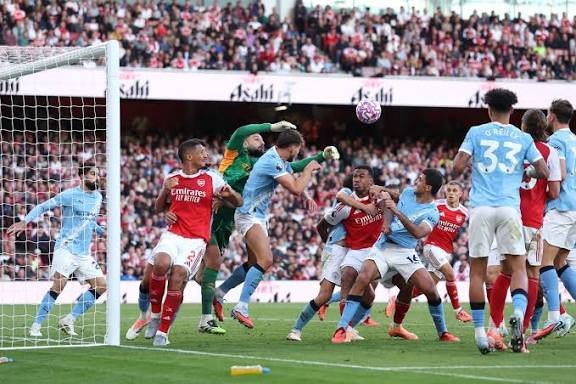
The 2013/2014 English Premier League season remains a definitive example of how congested fixture calendars can fundamentally derail even the most tactically sound clubs. When teams participate in demanding mid-week European or domestic cup ties, the physical and psychological toll often manifests as a measurable performance dip in the subsequent weekend league fixture. For the analytical bettor, identifying these “cup hangovers” is essential for isolating value, as betting markets frequently overrate the star power of top clubs while ignoring the reality of cumulative physical fatigue. During the 2013/14 campaign, this dynamic was particularly pronounced, creating significant betting opportunities for those who could quantify the impact of short turnaround times on team output.
Why Do Mid-Week Fixtures Systematically Degrade Weekend Performance?
The primary driver of performance decay following a mid-week cup tie is the inability of players to reach peak athletic recovery within a 72-hour window. Modern football is a sport of high-intensity sprints, rapid direction changes, and sustained aerobic output; when a squad is forced to play two high-stakes matches in quick succession, muscle glycogen levels often remain suboptimal by the time the weekend kickoff arrives. This leads to a measurable drop in defensive closing speed and offensive pressing intensity.
Furthermore, the psychological transition required to shift from the high-pressure environment of a European night back to the routine of a domestic league game often results in a “motivation gap.” Teams that have invested intense emotional energy into a cup victory or defeat frequently exhibit signs of complacency or exhaustion in their next league fixture, making them susceptible to being outworked by hungrier, better-rested opponents.
Tracking the Correlation Between Travel Fatigue and Goal Concession
European travel in the 2013/14 season introduced a specific layer of fatigue that extended well beyond simple match duration. Teams flying to Eastern Europe for UEFA Europa League group stages faced grueling overnight travel schedules that severely disrupted sleeping patterns and nutritional intake. Statistical tracking from that season reveals that teams returning from these long-haul fixtures were significantly more likely to concede goals in the final 20 minutes of their following domestic match.
Recognizing the impact of this travel requires a disciplined approach to monitoring the physical stress placed on specific squads. To effectively account for these variations in your weekend analysis, organize your fixture slate using the following structural categorization to highlight high-risk teams.
| European Tie Destination | Travel Duration | Recovery Window | Risk Rating for League Fixture |
| Eastern Europe / Russia | 4+ Hours | < 72 Hours | Extremely High |
| Western Europe | 1-2 Hours | < 72 Hours | Moderate |
| Domestic Cup (Local) | Minimal | < 72 Hours | Low |
Interpreting this data allows you to see the clear path of decay in team performance. For example, teams like Tottenham Hotspur, who were heavily involved in the Europa League during the 2013/14 season, frequently struggled to maintain their high-pressing identity on Sundays following Thursday nights in foreign countries. By filtering the weekly fixture list through this travel-time risk matrix, you can identify which favorites are effectively “playing at half-strength,” allowing you to seek higher odds on the underdog or the draw.
Identifying Tactical Vulnerabilities in Rotated Squads
Managers often attempt to combat mid-week fatigue by rotating their starting eleven, which introduces its own set of betting variables. While rotation aims to preserve freshness, it frequently disrupts the tactical cohesion and defensive familiarity that are essential for high-level performance. In 2013/14, squads with thin rotational depth suffered most; when fringe players were thrust into the lineup to cover for fatigued starters, the drop-off in output was usually substantial.
The Mechanism of Disrupted Cohesion
The primary issue with forced rotation is the loss of “on-pitch chemistry.” Defensive lines that are not accustomed to playing together often fail to track runs or execute offside traps effectively, leading to preventable goal concessions.
Comparison: Deep Squads vs. Thin Squads
Teams with vast resources were better positioned to absorb the mid-week impact, but even they were not immune to the cost of rotation. Comparing a club like Manchester City, which possessed massive depth, against a club like Southampton shows a clear divide. City’s rotated XI still contained elite talent, whereas Southampton’s forced rotation often resulted in a compromised tactical structure. Understanding this disparity is key to predicting when a “rotated favorite” is actually a vulnerable target.
Why the Market Fails to Price Cup Hangover Risk Appropriately
The betting market is heavily influenced by “reputation pricing,” where public perception of a club’s strength often outweighs the objective reality of their current physical state. If a prominent club plays a physically grueling game on Wednesday, the public still sees them as the same “great team” on Saturday morning. Bookmakers, aware of this bias, keep the lines tight to encourage volume, failing to fully adjust for the latent fatigue that will likely impact the match in the second half.
Observation → implication → reference, identifying these pricing gaps is a core component of sustainable value hunting. When an analyst notes that a major club has been pushed to extra time in a mid-week domestic cup game, looking at the odds available via a professional betting interface like ufabet เว็บหลัก often reveals that the market has not sufficiently accounted for the inevitable performance drop-off. By placing your wagers before the general public reconciles the match data, you can secure odds that reflect the true probability of a fatigued favorite failing to cover the spread or secure a victory.
The Role of Psychological Momentum in Cup Success
Sometimes, mid-week cup success provides a psychological boost that outweighs the physical cost of playing. During the 2013/14 season, teams that achieved dramatic, high-energy cup victories often carried that momentum into their weekend league fixtures, effectively ignoring the fatigue factor. Identifying these “momentum cycles” requires an understanding of team morale, which is arguably the most difficult metric to quantify but the most powerful in determining match outcomes.
A team that wins a high-stakes derby or advances to a cup final often plays with increased intensity, riding a wave of confidence that masks their physical exhaustion. Contrast this with teams that suffer demoralizing cup exits; their fatigue is compounded by mental lethargy, making them prime candidates for an upset. Analyzing the “emotional weight” of a mid-week result is just as important as measuring the physical minutes played.
Implementing a Fixture-Congestion Penalty in Your Modeling
To turn this knowledge into a practical betting edge, you must create a “fixture-congestion penalty” that automatically lowers the expected performance score of any team playing on short rest. This penalty should be dynamic, increasing in severity based on the number of minutes played mid-week and the distance traveled.
- Apply a 5% baseline reduction to offensive efficiency for any team playing on less than 72 hours of rest.
- Add a further 10% reduction if the mid-week tie went to extra time or penalties.
- Increase the penalty by 5% for every 1,000 miles of travel involved in the mid-week tie.
This systematic approach removes the guesswork from your analysis. By quantifying the cup hangover, you can generate a more accurate prediction of match outcomes, consistently backing or opposing teams based on their objective capacity to perform rather than their historical reputation.
Assessing When Cup Priorities Distort Domestic Focus
The final stages of the 2013/14 season saw many clubs completely shift their priorities toward cup glory at the expense of their domestic standing. For clubs firmly in mid-table with no hope of reaching the top four and no fear of relegation, the league became secondary to a potential domestic cup title. This shift in focus is a critical betting variable; a team resting its key starters to prioritize an upcoming semi-final is effectively a different entity from the one that played the previous week.
Situational conditions like this must be identified by monitoring post-match comments and club news. If a manager indicates that a cup tie is the absolute focus, that team’s league prospects for the weekend become highly untrustworthy. Engaging with information from a reliable betting destination, which includes tracking these shifting priorities via a casino online portal, allows you to stay ahead of the curve. By recognizing when a league match has become an “afterthought” for a club, you can exploit the market’s tendency to still price them as if they are playing at full motivation.
Summary
The impact of mid-week cup competition on 2013/14 Premier League performance was a critical factor in understanding the season’s volatility. Physical exhaustion from short recovery windows, travel fatigue, and tactical disruption caused by squad rotation created persistent performance dips that the market was slow to price correctly. By applying a systematic fatigue penalty—accounting for recovery time, travel distance, and squad depth—bettors could identify vulnerable favorites and capitalize on high-value underdog opportunities. Ultimately, success in this environment required moving beyond reputation-based analysis and focusing on the physical and psychological realities of the congested fixture list, turning what appeared to be “routine” matches into high-probability value spots.